
Is Giving Teethers to Babies Good or Bad?
Understanding the Teething Phase
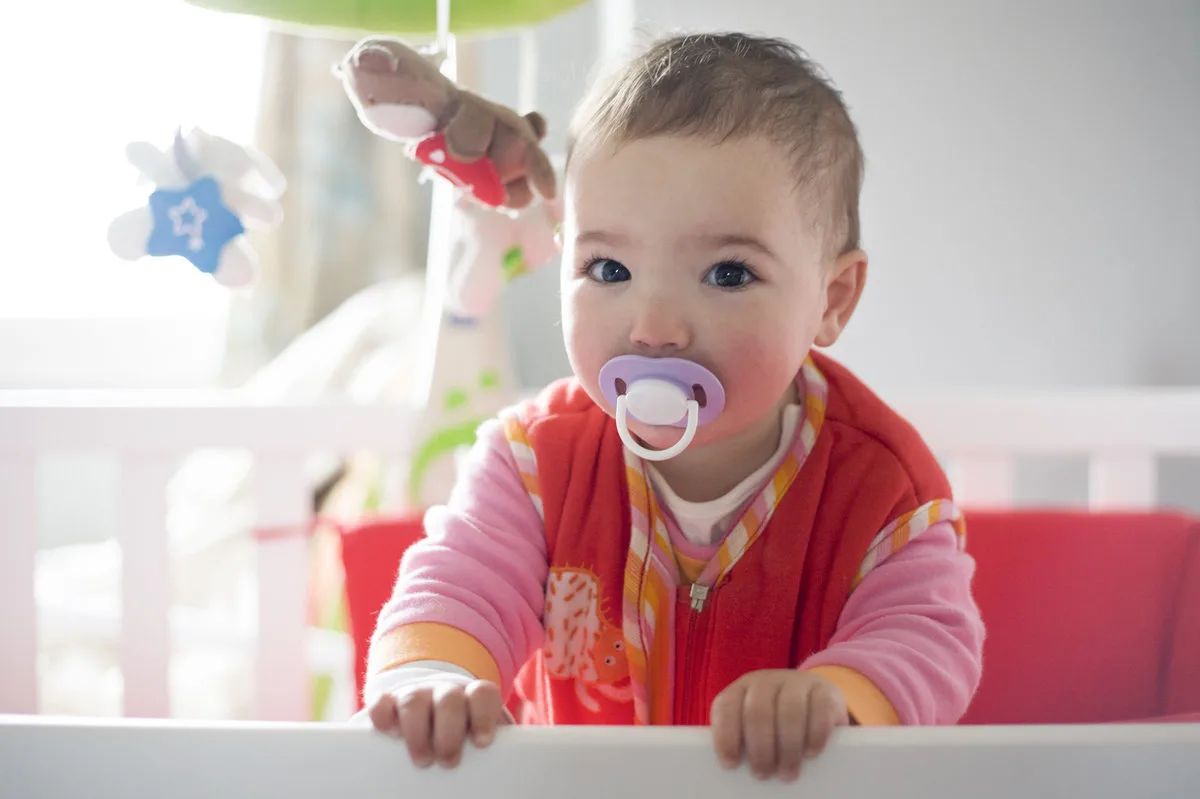
The teething phase is a significant milestone in a baby's life. It can be a challenging time for both infants and parents. Babies often experience discomfort, irritability, and an intense need to chew on something to relieve their sore gums. This is where teething toys, commonly referred to as "teethers," come into play. While many parents swear by their effectiveness, there's ongoing debate about whether giving teethers to babies is a good or bad practice.
The Teething Process
Teething typically begins around six months of age, although some babies may start earlier or later.
- Emergence of Teeth: Baby teeth begin to push through the gums, causing discomfort.
- Increased Salivation: Babies may drool more than usual as their bodies prepare for the arrival of teeth.
- Irritability: Discomfort can lead to fussiness and irritability in babies.
- Chewing Behaviour: Babies may chew on anything they can get their hands on to relieve gum pain.
The Role of Teething Toys
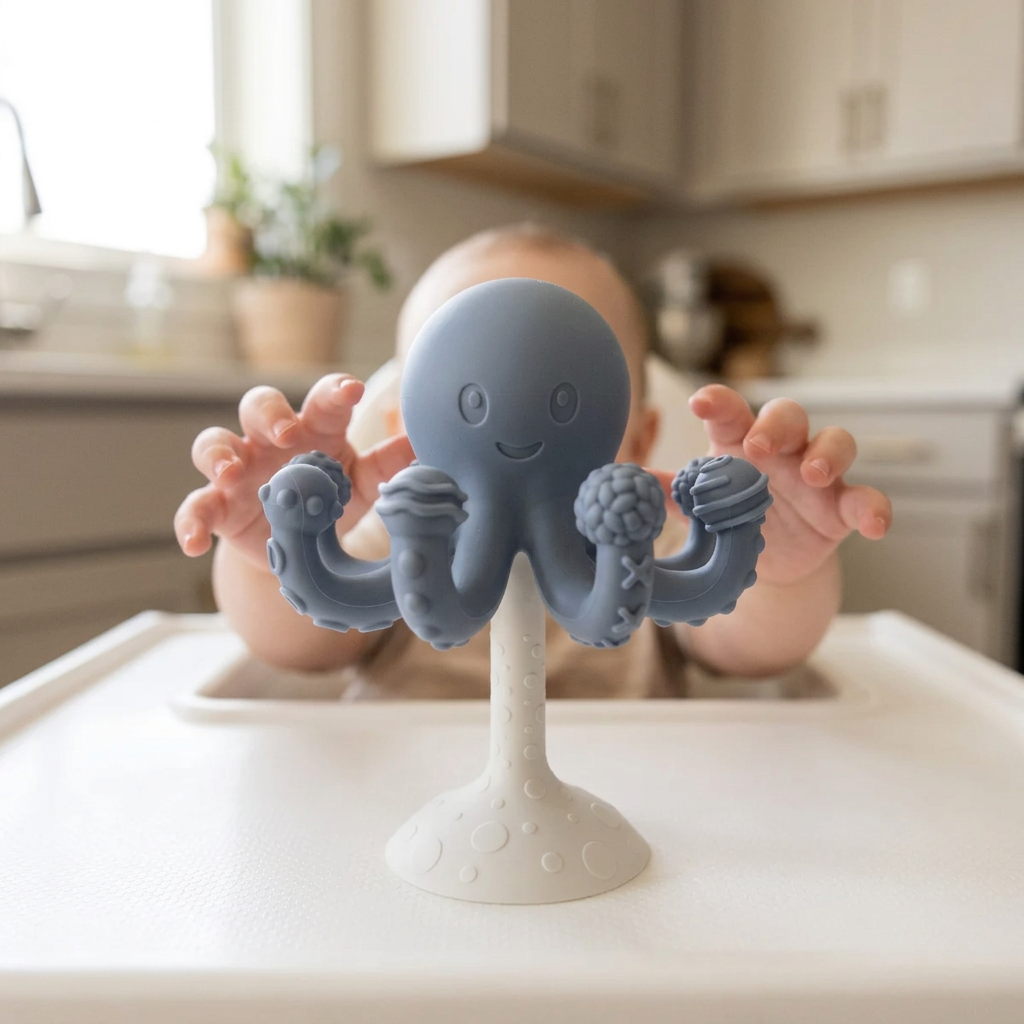
Teething toys, or teethers, are designed to provide relief for sore gums. They come in various shapes, sizes, and materials.
- Soothing Relief: Many parents find that teethers help soothe their babies' discomfort.
- Safe Chewing Options: Teething toys provide a safe alternative to other objects that babies might chew on.
- Variety of Textures: Different textures can stimulate the gums and provide additional relief.
- Temperature Benefits: Some teethers can be chilled in the refrigerator for added soothing effects.
Considerations and Concerns
Despite their benefits, there are some concerns regarding the use of teethers:
- Material Safety: It's crucial to choose teethers made from safe, non-toxic materials to avoid health risks.
- Choking Hazards: Parents should ensure that teethers are age-appropriate and free of small parts that could pose a choking hazard.
- Overreliance: Some experts argue that reliance on teethers may prevent babies from developing other coping mechanisms for discomfort.
Conclusion
While teething can be a difficult time for both babies and parents, teething toys can offer relief and comfort. Understanding the teething process and choosing the right teething toys can help parents navigate this challenging phase more effectively. Ultimately, each baby is different, and parents should monitor their child's reactions to teething toys and consult with pediatricians if they have concerns.
Keep Reading
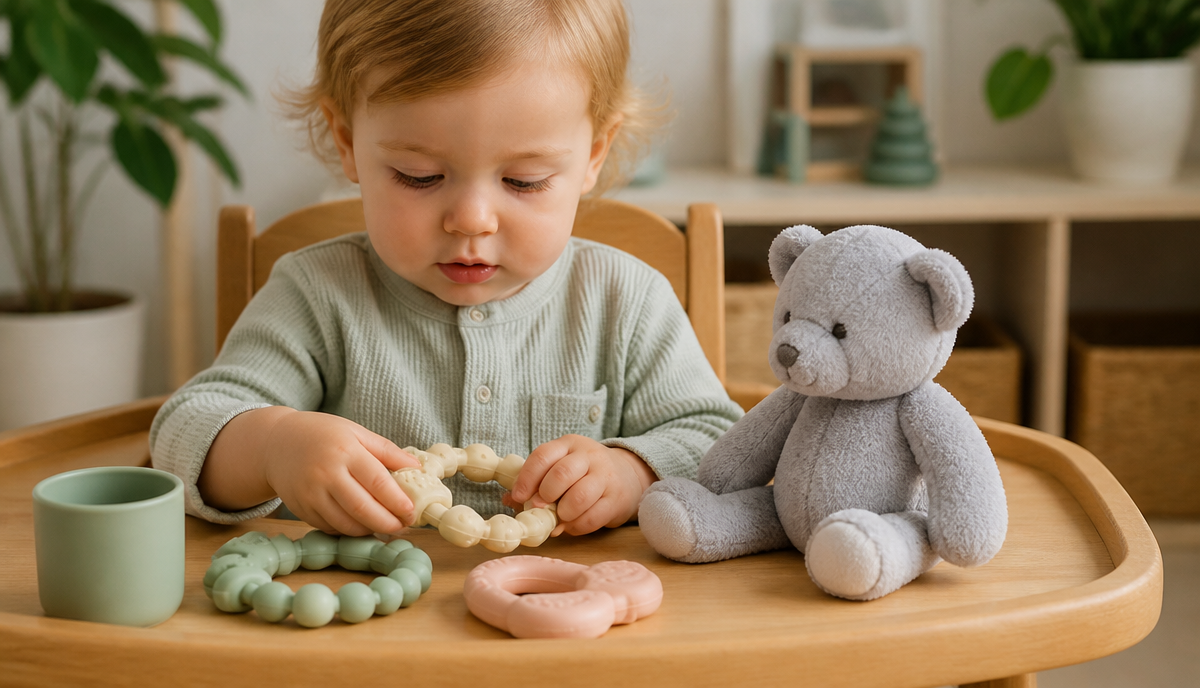
Sensory play and autism: why it helps and how to start
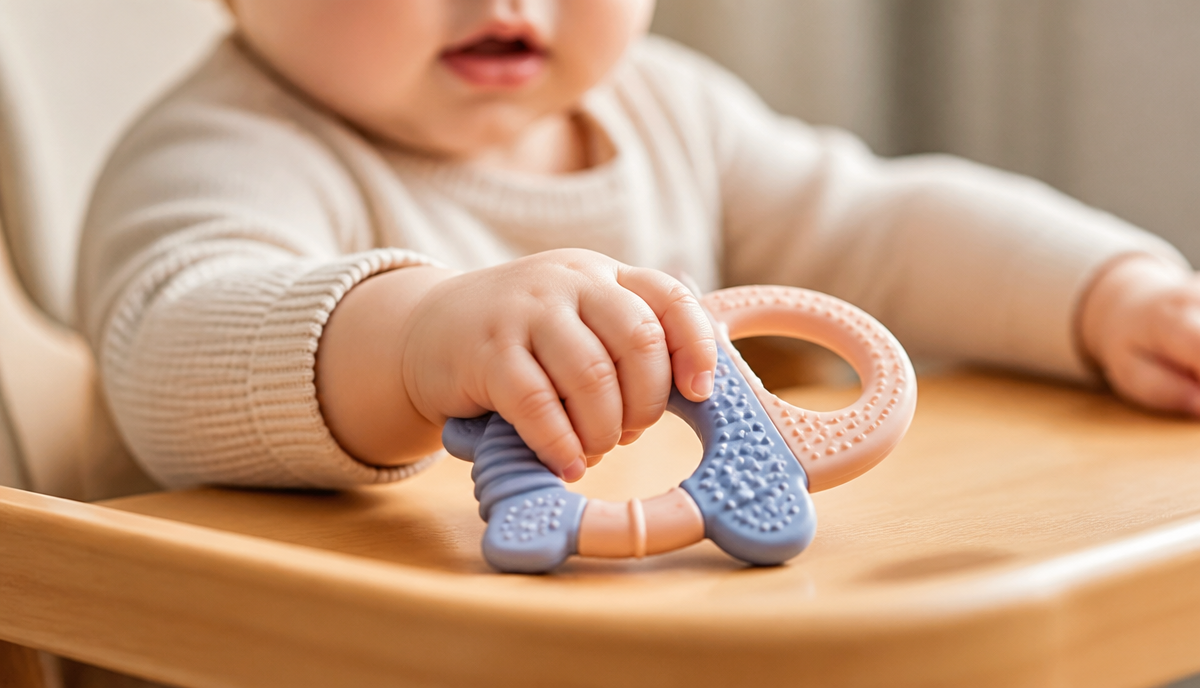
What is platinum silicone? A parent's guide to the safest teething material
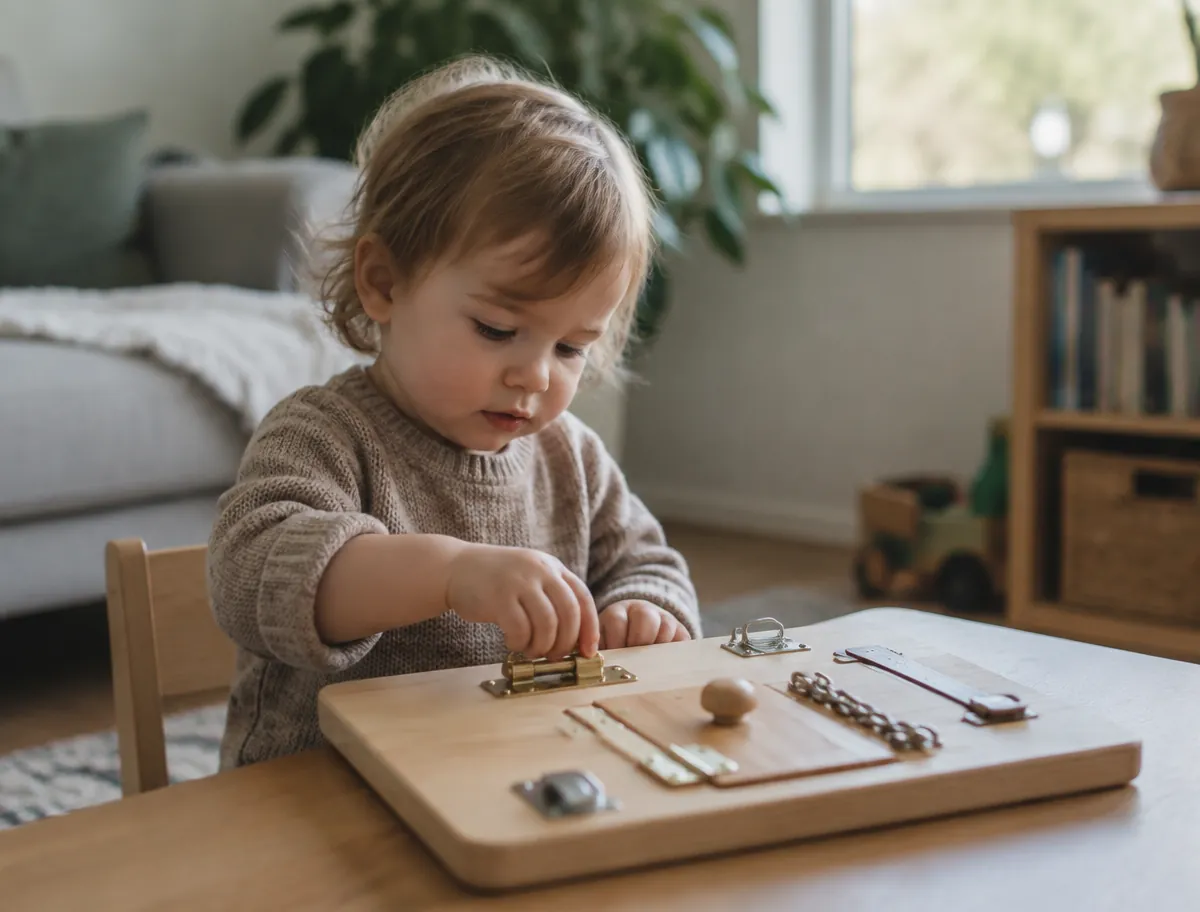
Are Montessori toys a good fit for children with ADHD?
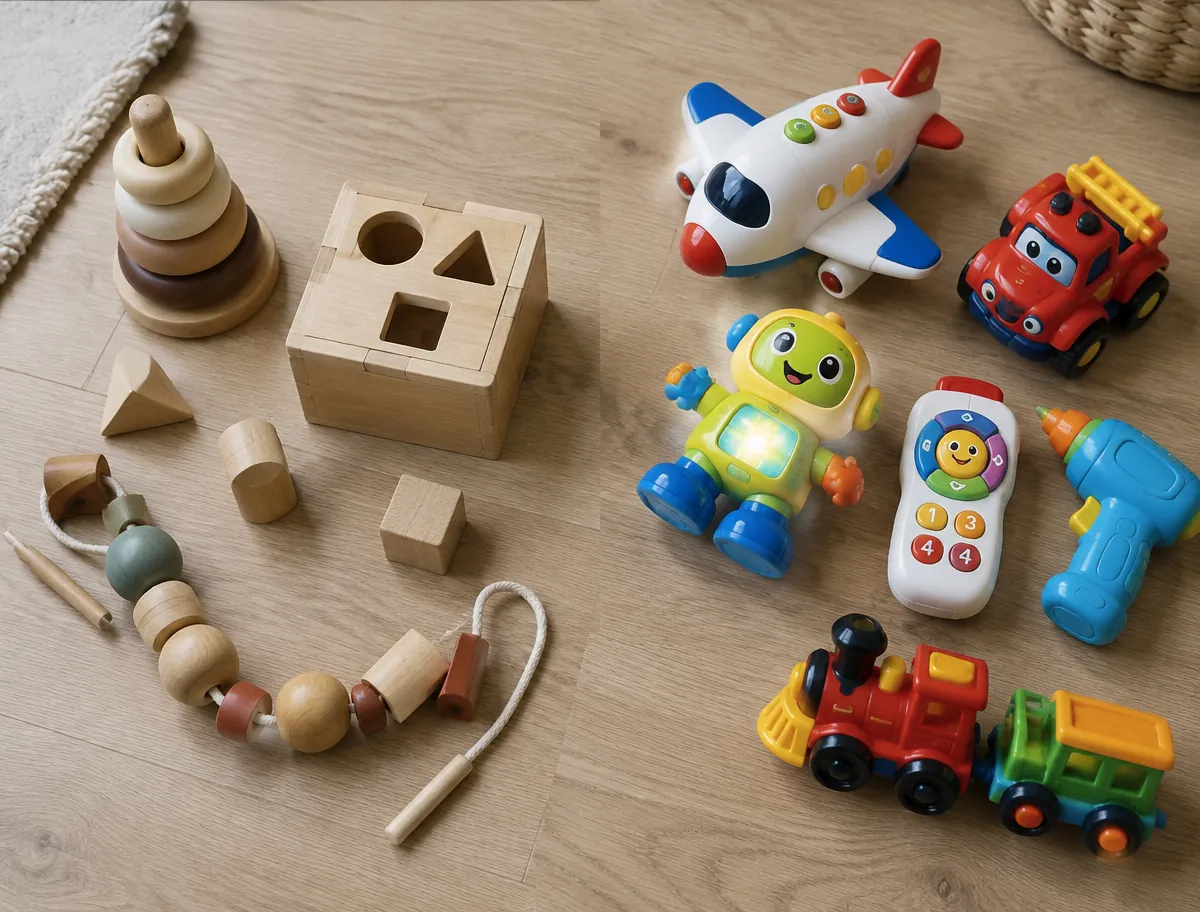
What is the difference between Montessori and regular toys?
Keep it simple: What are the benefits of Montessori Toys?
What are Sensory Toys?
The Importance of Colours in Sensory Play
What Can be Used as a Teething Toy for Babies?
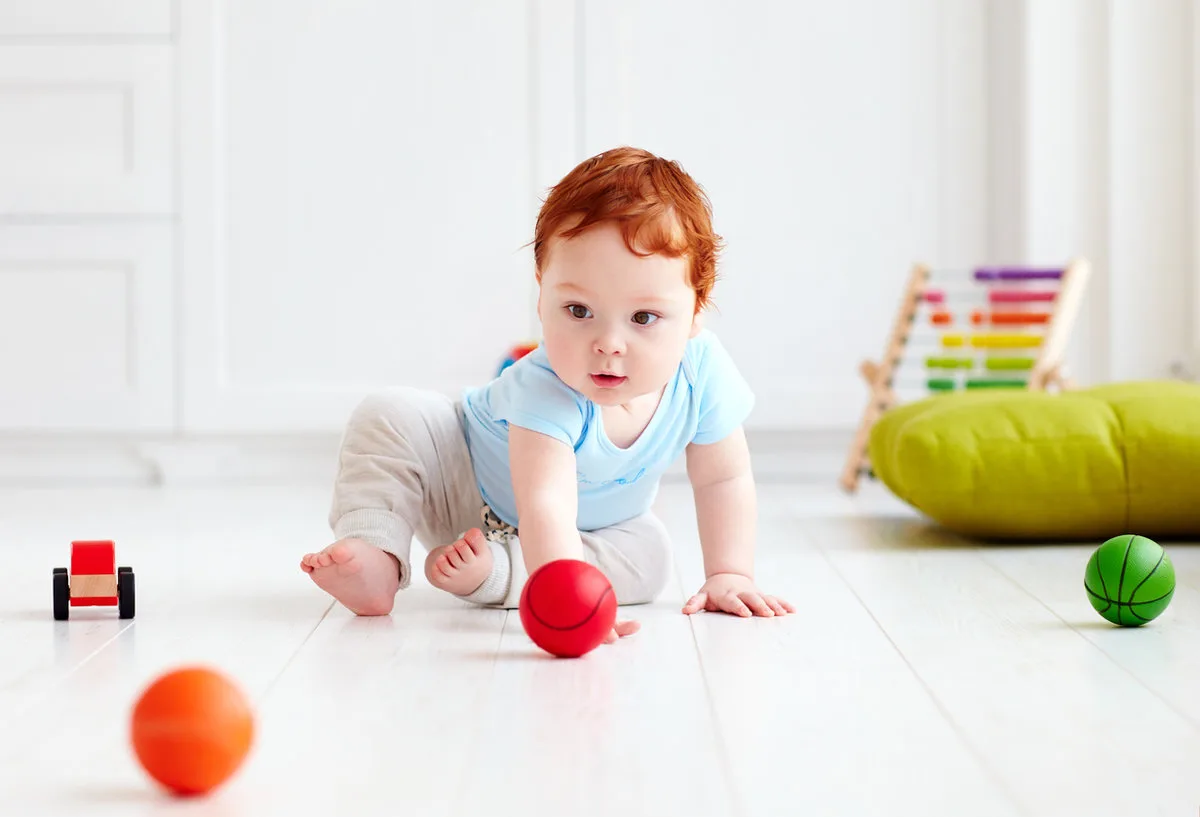
A Child's Sensory Journey: Matching Sensory Toys and Play to Age
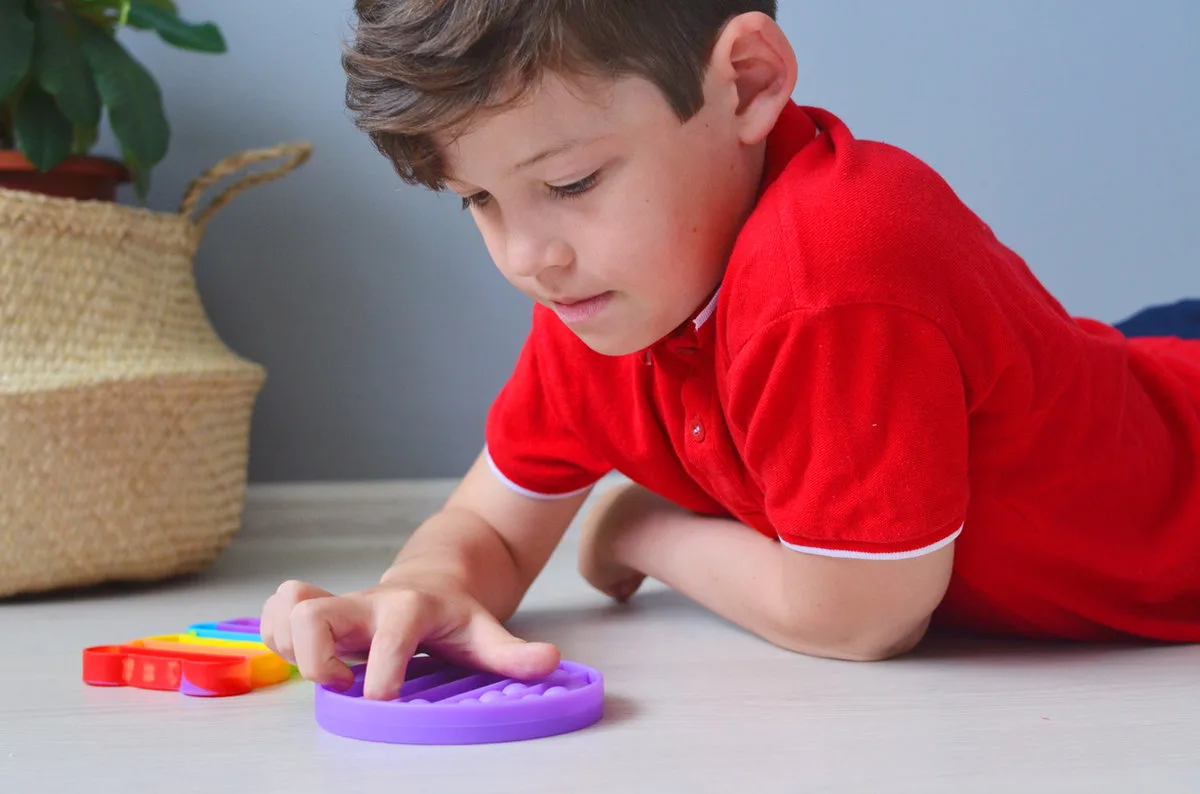
Do Sensory Toys Help ADHD?
Toys That Go With This Read