What is the difference between Montessori and regular toys?
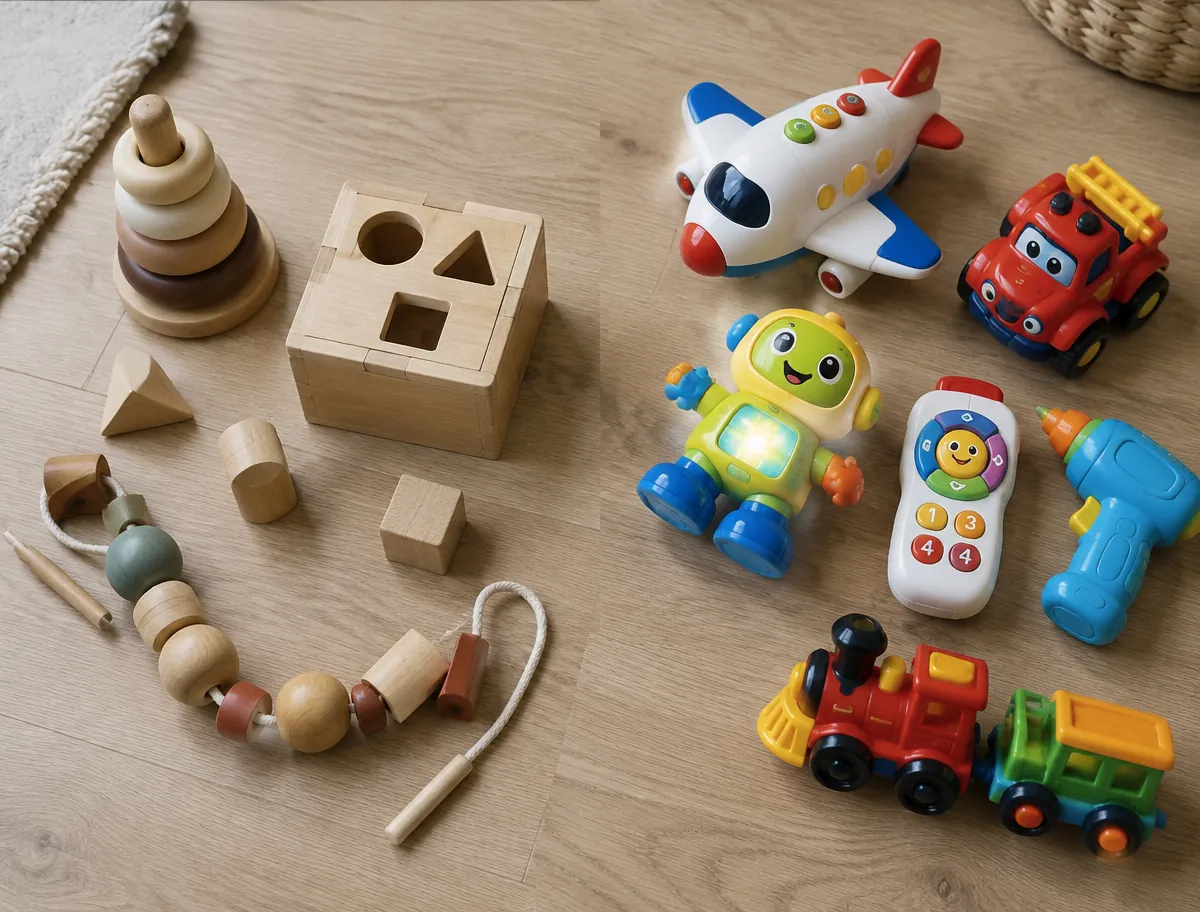
Walk down any toy aisle and you will find plastic, sound effects and flashing lights competing for your attention — and your child's. Montessori toys look and behave very differently, and every one of those differences is deliberate. Here is what actually sets them apart.
The child does the work
A conventional toy usually entertains. A Montessori toy invites the child to act: to twist, sort, thread, pour or fit. The child is the active one, and the toy simply gives an honest response to what they do. Nothing happens unless they make it happen, which is precisely what makes it satisfying.
One skill at a time
Montessori materials usually isolate a single concept — size, shape, colour, or one particular hand movement. That focus makes success measurable for a toddler, which is why they will happily repeat the same small activity dozens of times in a row. To an adult it looks repetitive. To a child it is practice, and practice is how skills are built.
Real materials, real experiences
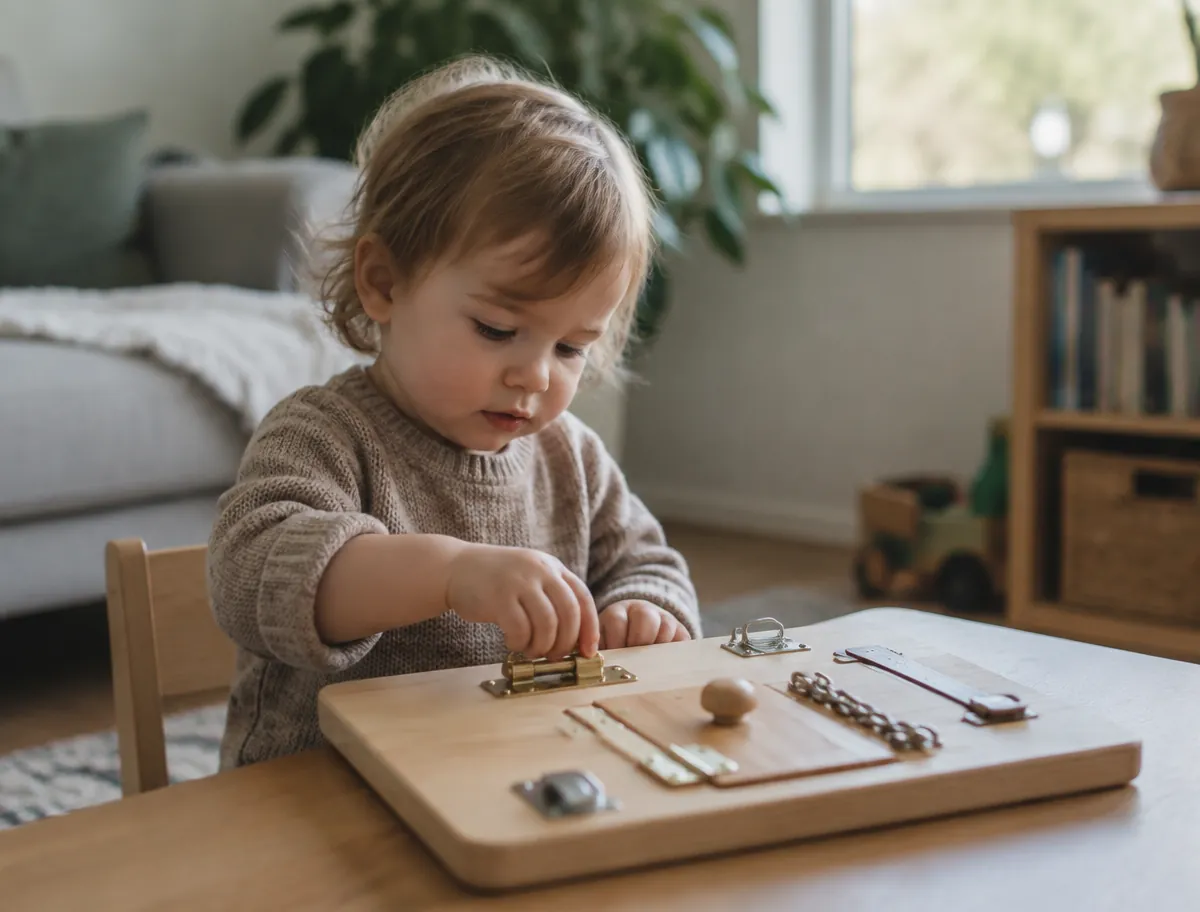
Wood, metal and fabric give genuine feedback about weight, temperature and texture in a way that moulded plastic cannot. Montessori play also stays rooted in reality: pouring water, opening latches, using a real cup rather than a pretend one. Those experiences transfer straight into everyday independence, which is the whole point. a real stainless steel cup like the Jumble Jug.
The differences at a glance
- Natural materials instead of moulded plastic
- Muted, natural colours instead of high-contrast neon
- Open-ended play instead of a single scripted outcome
- Child-powered instead of battery-powered
- Grounded in real life instead of pure fantasy
- Self-correcting, so the child can see their own progress
What about pretend play?
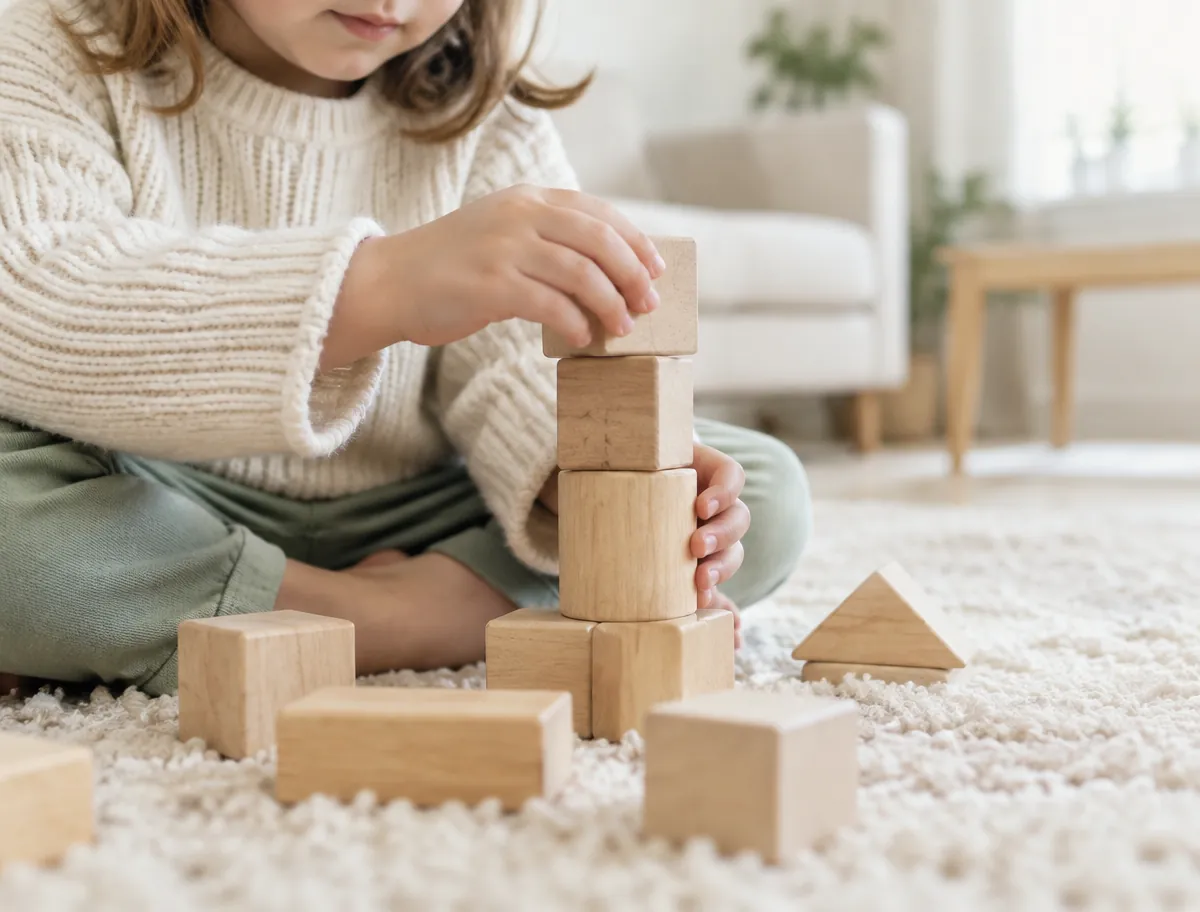
Imagination matters enormously, and Montessori does not rule it out. The difference is where the imagination lives. A plain wooden block can be a phone, a boat or a slice of cake depending on the day, while a toy that plays a scripted phone conversation can really only be one thing. Simpler objects leave more room for a child's own ideas.
Does it mean throwing everything else away?
Not at all. Conventional toys are not bad, and no child needs a perfectly curated shelf. It simply means that if you want play to build concentration, coordination and independence, a smaller collection of well-made, purposeful toys will usually do more than an overflowing toy box.
If you are starting out, pick two or three good pieces, put the rest away for a few weeks, and watch what your child gravitates towards. Their attention will tell you more than any label on a box.

Toys That Go With This Read