
Keep it simple: What are the benefits of Montessori Toys?
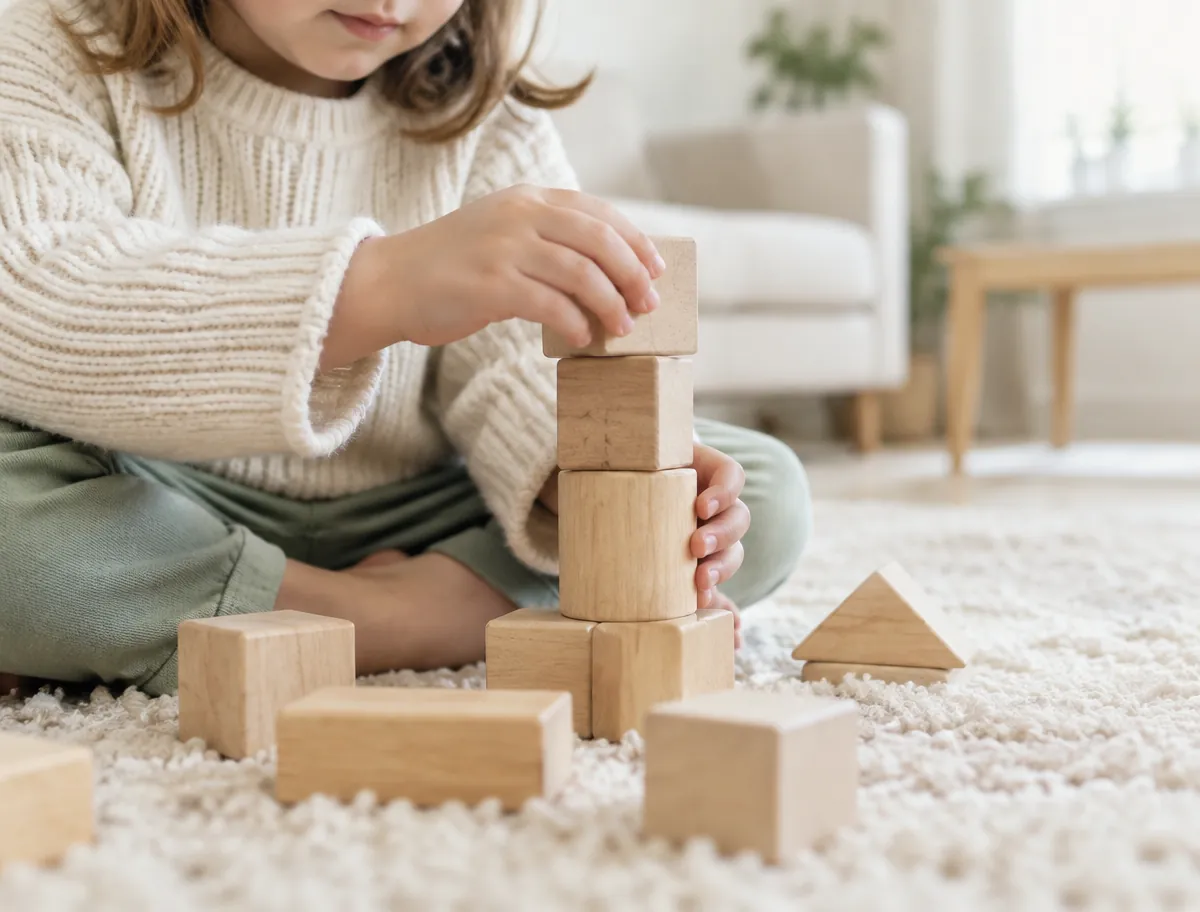
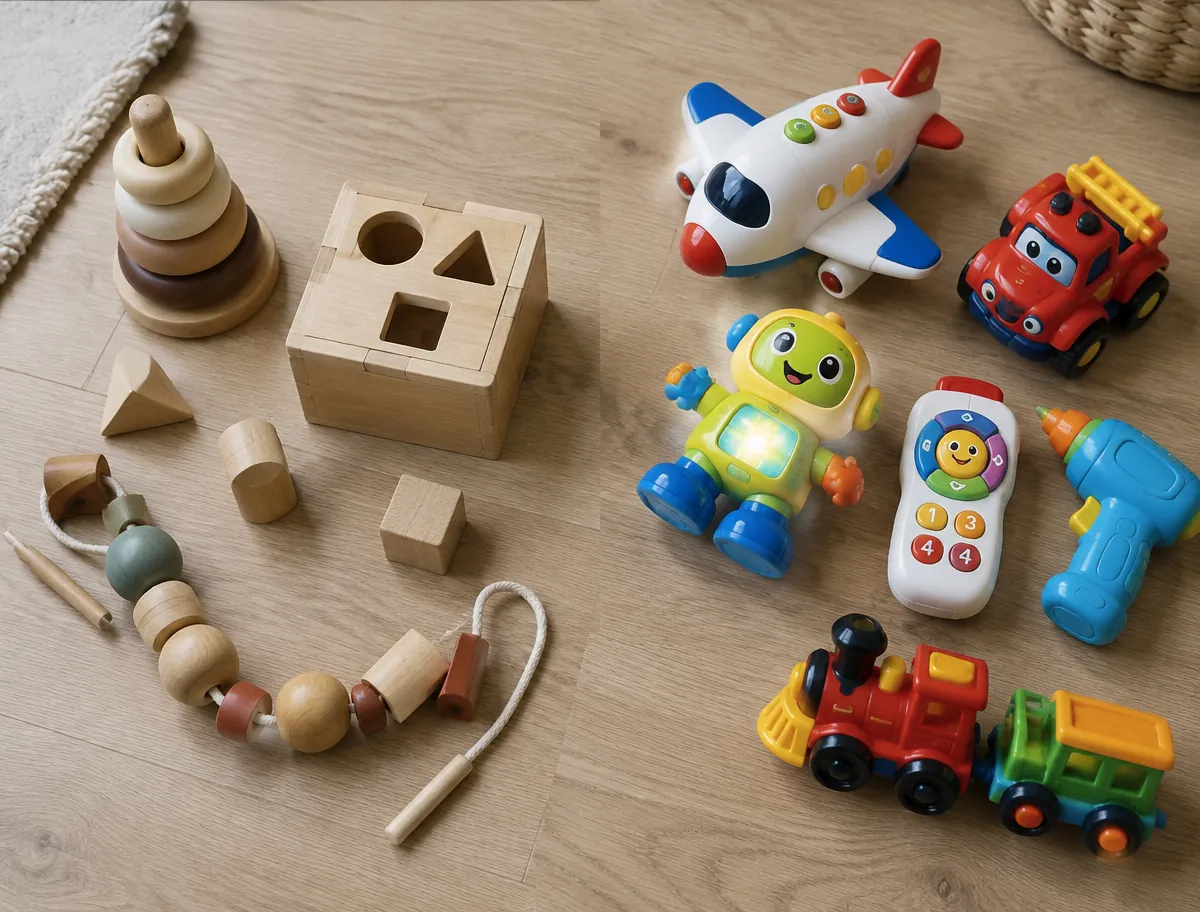
Montessori toys are built on one simple idea: children learn best by doing. Strip away the noise and the lights and what is left is a material that lets a child practise a real skill, at their own pace, without an adult hovering over them. Here is what that quietly delivers.
Fine motor skills
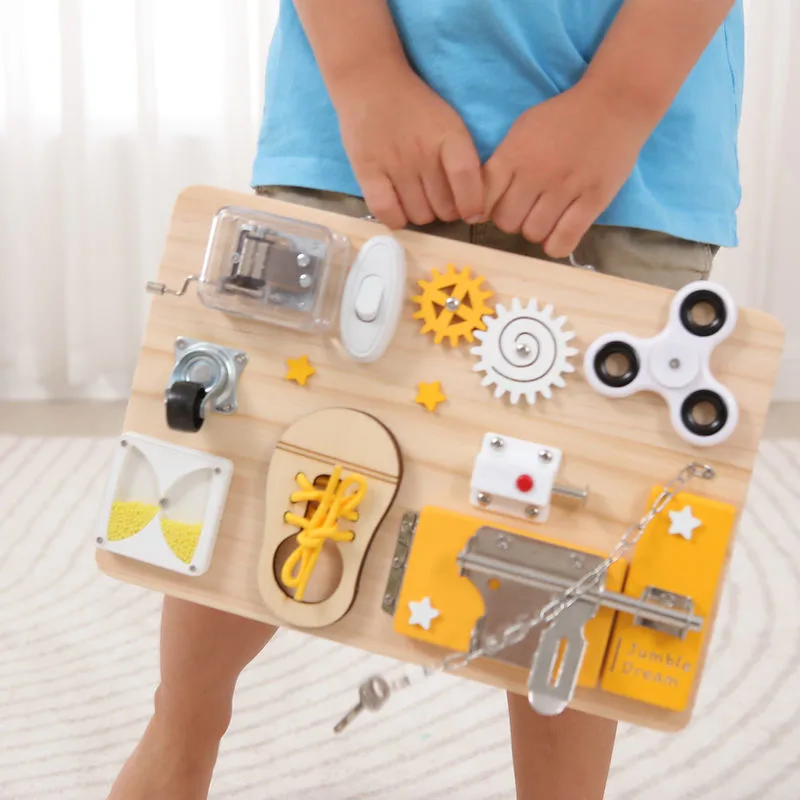
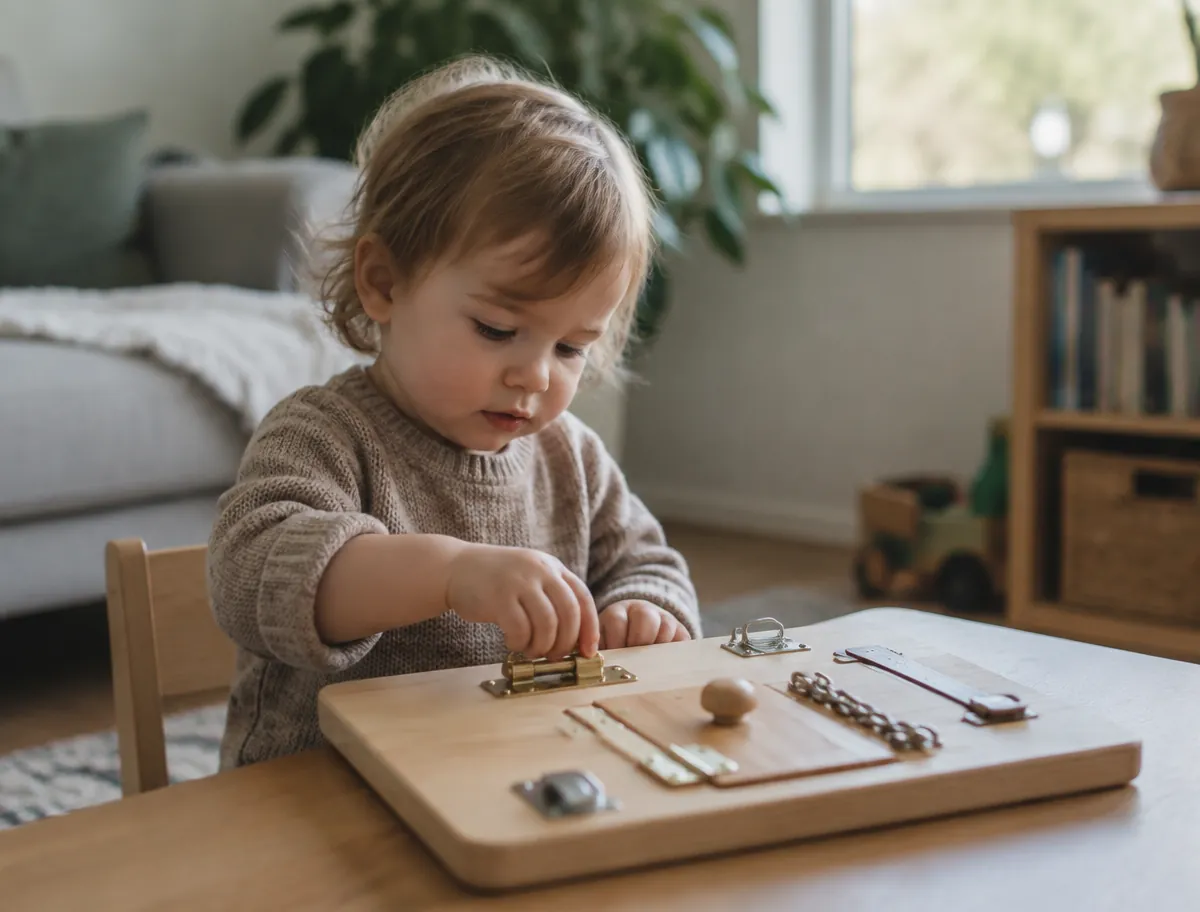
Turning a latch, threading a lace or fitting a puzzle piece all strengthen the small muscles in the hand — the same muscles later used for holding a pencil, doing up buttons and using cutlery. It is unglamorous work, and toddlers love it.
Concentration that grows
Because the toy never interrupts, children can stay with an activity for surprisingly long stretches. That uninterrupted repetition is how attention span is built. If your child returns to the same puzzle for the tenth time today, resist the urge to suggest something new — they are deep in it.
Independence and real confidence
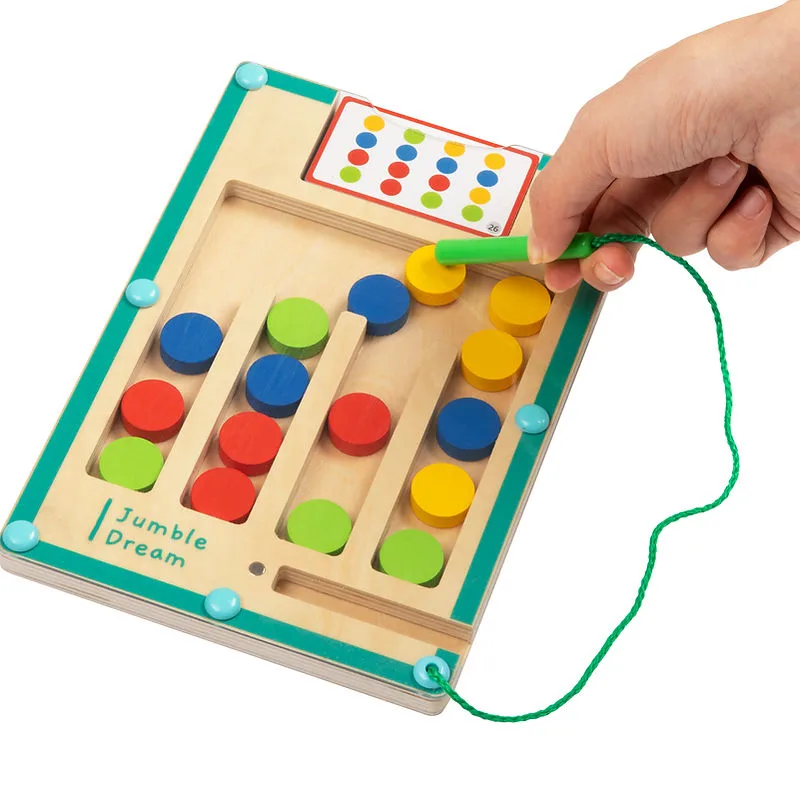
Montessori materials are self-correcting: the shape either fits or it does not, the water either stays in the cup or it does not. Children can see their own progress without needing an adult to tell them they have done well, which builds the sort of confidence that sticks.
Everyday skills, learned early
Practical life is a big part of the Montessori approach. Pouring, carrying, wiping and drinking from a proper cup are all skills a toddler can genuinely master, and each one makes them a little more capable at the table and in the world. the Jumble Jug 3-in-1 cup.
Calmer play, less clutter
A handful of thoughtfully chosen toys on an open shelf is far easier for a child to engage with than an overflowing toy box — and considerably easier for parents to tidy at the end of the day. Fewer, better toys is a rare parenting decision that helps everyone.
Where to start
You do not need a whole new playroom. Choose one open-ended toy, give it a clear space on a low shelf, and let your child come to it in their own time. Add a simple sensory activity when they need to move rather than sit. Try one of our taste-safe sensory play ideas.
Keep it simple, keep it real, and let your child lead. Simple play really does build big skills.

Toys That Go With This Read